Delving into the realm of wood siding vs vinyl siding, this exploration invites readers to uncover the nuances of these popular building materials. With a blend of informative insights and engaging details, this piece promises to offer a fresh perspective on an age-old debate.
In the following paragraphs, we will delve deeper into the cost, durability, aesthetics, and environmental impact of wood siding and vinyl siding, providing a well-rounded view for those seeking to make an informed decision.
Introduction
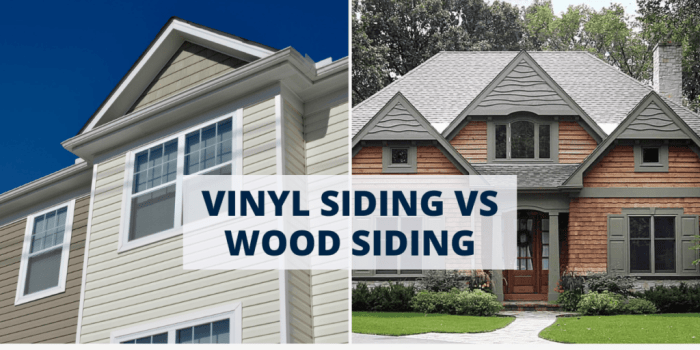
Wood siding and vinyl siding are two common materials used for the exterior cladding of buildings. Wood siding is typically made from natural wood, while vinyl siding is manufactured from PVC (polyvinyl chloride) resin.The primary purpose of siding on a building is to protect it from the elements, such as rain, snow, and wind, while also enhancing its aesthetic appeal.
Siding helps to insulate the building, improve energy efficiency, and increase its overall durability.Wood siding has been used for centuries, dating back to ancient civilizations where it was a popular choice due to its natural beauty and abundance. On the other hand, vinyl siding gained popularity in the 1950s as a low-maintenance alternative to wood siding.
Over the years, advancements in technology have improved the quality and longevity of both wood and vinyl siding options.
Cost Comparison
Wood siding and vinyl siding have different costs associated with them, and several factors influence the overall price of each type of siding. It's essential to consider not only the upfront cost but also the long-term implications when making a decision between wood and vinyl siding.
Cost of Wood Siding
Wood siding is typically more expensive upfront compared to vinyl siding. The cost of wood siding can vary depending on the type of wood used, such as cedar or redwood, as well as the quality and finish of the wood.
Additionally, installation costs for wood siding tend to be higher due to the skill and labor required to work with wood materials.
Cost of Vinyl Siding
Vinyl siding is generally more affordable than wood siding in terms of upfront costs. The price of vinyl siding is influenced by factors such as the quality of the material, thickness, and style. Installation costs for vinyl siding are usually lower than wood siding because vinyl is lightweight and easier to work with, resulting in reduced labor expenses.
Long-Term Cost Implications
While wood siding may have a higher initial cost, it can potentially save money in the long run due to its durability and timeless aesthetic appeal. However, wood siding requires regular maintenance, such as painting and sealing, which can add to the overall cost over time.On the other hand, vinyl siding may have a lower upfront cost and minimal maintenance requirements, making it a cost-effective option in the long term.
However, vinyl siding may need to be replaced sooner than wood siding, which could result in additional expenses down the line.Ultimately, the choice between wood siding and vinyl siding will depend on your budget, maintenance preferences, and desired aesthetic for your home.
Durability and Maintenance
Wood siding and vinyl siding differ significantly in terms of durability and maintenance requirements. Let's explore how these factors play out in various climates and over the lifespan of each type of siding.
Durability in Different Climates
Wood siding is known for its natural beauty and charm, but its durability can vary depending on the climate it is exposed to. In humid climates, wood siding is more prone to rot, mold, and insect damage if not properly maintained.
On the other hand, in drier climates, wood siding may require less maintenance and can last longer without issues. It is essential to consider the specific climate conditions of your area when choosing wood siding.
Maintenance Requirements
Wood siding generally requires more maintenance compared to vinyl siding. Regular painting, staining, sealing, and inspections are necessary to protect wood siding from moisture, UV exposure, and pests. Failure to maintain wood siding can lead to costly repairs and replacements.
In contrast, vinyl siding is relatively low maintenance, requiring occasional cleaning with soap and water to keep it looking fresh.
Lifespan Comparison
When properly maintained, wood siding can last for decades, providing a timeless aesthetic to a home. However, without regular upkeep, wood siding may deteriorate faster, especially in harsh climates. Vinyl siding, on the other hand, has a longer lifespan with minimal maintenance requirements.
It is designed to withstand various weather conditions and is less susceptible to rot, mold, and insect damage. Overall, vinyl siding tends to have a longer lifespan compared to wood siding, making it a durable and cost-effective choice for homeowners.
Aesthetics and Design
Wood siding and vinyl siding offer distinct aesthetic appeal and design flexibility, each with its unique charm and style.
Aesthetic Appeal
Wood siding is often praised for its natural beauty and timeless elegance. The rich texture and warm tones of wood create a cozy and inviting look for any home. Over time, wood siding develops a patina that adds to its character and charm.
On the other hand, vinyl siding comes in a wide range of colors and styles, offering a more modern and clean appearance. While it may lack the natural appeal of wood, vinyl siding is known for its crisp and uniform look that can enhance the curb appeal of a home.
Design Flexibility
Wood siding provides a high level of design flexibility, allowing for customization and unique patterns or shapes to be created. From traditional clapboard to intricate shingles, wood siding can be tailored to suit various architectural styles and preferences. Vinyl siding, although less customizable than wood, also offers design versatility with options like vertical panels, shakes, and scallops.
Vinyl siding is available in an array of colors that can be easily matched to any home's exterior palette.
Variety of Colors and Styles
Wood siding is available in a range of natural finishes, including cedar, pine, and redwood, each with its own distinct color and grain pattern. Homeowners can choose to stain or paint wood siding in a variety of hues to achieve their desired look.
Vinyl siding, on the other hand, comes in a vast selection of colors, from classic neutrals to bold shades, as well as different textures that mimic wood grain or smooth finishes. With advancements in manufacturing technology, vinyl siding can closely replicate the look of real wood without the maintenance requirements.
Environmental Impact
Wood siding production has a significant environmental impact due to the harvesting of trees. This process contributes to deforestation and habitat destruction, leading to loss of biodiversity. Additionally, the manufacturing and transportation of wood siding require a considerable amount of energy, contributing to greenhouse gas emissions.
Wood Siding Sustainability
Wood siding can be sustainable if sourced from responsibly managed forests or reclaimed wood. Using reclaimed wood helps reduce the demand for new timber and minimizes waste. However, it is essential to ensure that the wood is certified by organizations like the Forest Stewardship Council (FSC) to guarantee sustainable practices.
Vinyl Siding Eco-Friendly Alternatives
While vinyl siding itself is not biodegradable and can release toxic chemicals during production and disposal, there are eco-friendly alternatives available. Some options include fiber cement siding, which is made from a mixture of wood pulp, cement, clay, and sand.
This material is durable, low maintenance, and more environmentally friendly than vinyl.
Conclusive Thoughts
As we conclude our discussion on wood siding vs vinyl siding, it becomes clear that each material has its own unique advantages and considerations. Whether you prioritize cost, durability, design, or sustainability, this comparison serves as a valuable guide in navigating the world of siding options.
Essential Questionnaire
Is wood siding more expensive than vinyl siding?
Wood siding is generally more expensive upfront than vinyl siding, but the long-term maintenance costs may vary.
Which type of siding is more environmentally friendly?
While wood siding is natural and biodegradable, vinyl siding can be recycled. Consider eco-friendly alternatives for a greener choice.
How does the durability of wood siding compare to vinyl siding?
Wood siding can be durable in certain climates with proper maintenance, but vinyl siding is known for its longevity and resistance to harsh weather conditions.