
As siding contractors near me takes center stage, this opening passage beckons readers into a world crafted with good knowledge, ensuring a reading experience that is both absorbing and distinctly original.
Siding contractors play a crucial role in the construction or renovation of homes. Finding the right contractor can make all the difference in the success of your siding project. From tips on searching for local contractors to discussing qualities to look for, this guide covers everything you need to know about siding contractors near you.
Finding Local Siding Contractors
When it comes to finding local siding contractors for your project, it's important to consider a few key factors to ensure you get the best results. Hiring local contractors can offer a range of benefits, making it a preferred choice for many homeowners.
Tips on Searching for Local Siding Contractors
- Ask for recommendations from friends, family, or neighbors who have recently had siding work done.
- Check online reviews and ratings on websites like Yelp or Angie's List to see feedback from previous customers.
- Contact your local Chamber of Commerce or Better Business Bureau to get a list of reputable siding contractors in your area.
- Attend home improvement expos or events in your community to meet contractors in person and discuss your project.
Importance of Hiring Local Contractors
Choosing local siding contractors can offer several advantages, including:
- Knowledge of local building codes and regulations, ensuring your project is compliant and passes inspections.
- Quicker response times for any issues or concerns that may arise during the project.
- Supporting the local economy and small businesses in your community.
Benefits of Choosing Local Siding Contractors
Some benefits of selecting local contractors over non-local ones include:
- Increased accountability and reliability, as local contractors have a reputation to uphold in the community.
- Better communication and understanding of your specific needs and preferences.
- Potential cost savings due to reduced travel expenses and overhead costs for local contractors.
Qualities to Look for in Siding Contractors
When selecting a siding contractor for your home, there are several key qualities to consider to ensure you hire the right professional for the job. From experience to licenses and insurance, here are the essential factors to keep in mind.
Experience in Siding Installation
Having experience in siding installation is crucial when choosing a contractor. Look for a professional who has a proven track record of successfully completing siding projects. Experienced contractors are more likely to deliver high-quality work and handle any challenges that may arise during the installation process effectively.
Importance of Licenses and Insurance
It is essential to verify that the siding contractor you choose is properly licensed and insured. A valid license demonstrates that the contractor has met the necessary requirements and regulations to operate in your area. Insurance, on the other hand, protects you from liability in case of accidents or damages that may occur during the project.
Always ask to see proof of insurance and licensing before hiring a contractor to ensure you are protected throughout the siding installation process.
Types of Siding Services Offered
When looking for siding contractors, it's important to understand the different types of siding services they offer. This will help you make an informed decision based on your specific needs and preferences.
Common Types of Siding Services
- Vinyl Siding: One of the most popular choices due to its affordability, low maintenance, and versatility in colors and styles.
- Fiber Cement Siding: Known for its durability, fire resistance, and ability to mimic the look of wood or stucco.
- Wood Siding: Offers a natural and traditional look, but requires more maintenance compared to other materials.
- Aluminum Siding: Lightweight and resistant to rust, but can dent easily and may not be as energy-efficient.
Comparison of Siding Materials
| Siding Material | Pros | Cons |
|---|---|---|
| Vinyl | Low maintenance, affordable, versatile | Not as durable as other materials, may crack or fade over time |
| Fiber Cement | Durable, fire-resistant, versatile in style | Higher initial cost, requires professional installation |
| Wood | Natural look, can be painted or stained | Prone to rot, insects, and requires regular maintenance |
| Aluminum | Lightweight, resistant to rust | Easily dented, can be noisy during storms |
Cost Factors and Estimates
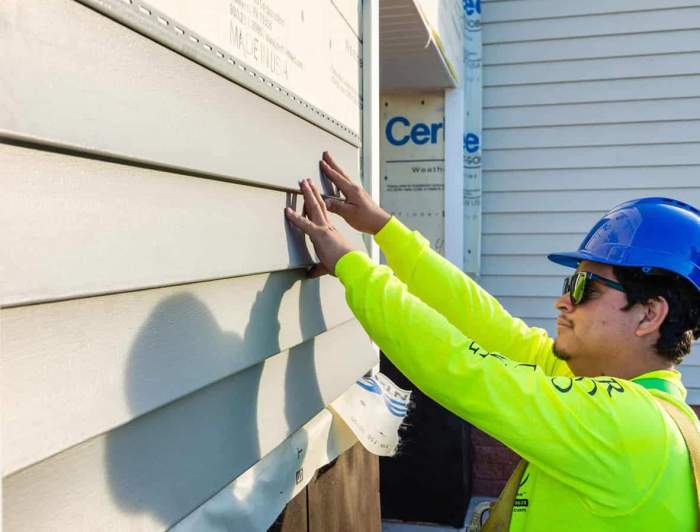
When it comes to siding installation, the cost can vary depending on several factors. Understanding these factors and how to get accurate estimates from siding contractors can help you budget effectively for your project.
Factors Influencing Cost
- The type of siding material chosen: Different materials come at different price points, with options like vinyl, wood, fiber cement, and metal all having varying costs.
- The size of your home: Larger homes will require more materials and labor, leading to higher costs.
- The complexity of the installation: If your home has unique features or requires intricate detailing, this can increase the labor costs.
- Local labor rates: Labor costs can vary depending on your location and the availability of skilled contractors in your area.
Tips for Accurate Estimates
- Get multiple quotes: Reach out to several siding contractors to compare prices and services offered.
- Be clear about your expectations: Provide detailed information about your project requirements to ensure accurate estimates.
- Ask about additional costs: Inquire about any potential extra charges for unforeseen issues or changes to the project scope.
Common Pricing Models
- Per square foot: Many siding contractors charge by the square foot of material used, which can give you a clear idea of the total cost based on the size of your home.
- Flat rate: Some contractors may offer a flat rate for the entire project, which can be beneficial if you have a straightforward installation.
- Cost plus: This model involves paying for the actual cost of materials and labor, plus an additional percentage for the contractor's profit.
Hiring Process and Contracts
When it comes to hiring siding contractors, it is crucial to follow a systematic process to ensure you find the right professionals for the job. Additionally, having a written contract in place is essential to protect both parties and Artikel the terms of the project clearly.
Typical Hiring Process
- Research and Shortlisting: Start by researching local siding contractors and shortlisting a few based on their reputation, experience, and customer reviews.
- Initial Consultation: Schedule initial consultations with the shortlisted contractors to discuss your project requirements and get estimates.
- Check References: Don't forget to ask for references from past clients to gauge the quality of work and professionalism of the contractor.
- Review Contracts: Once you have selected a contractor, review the contract carefully to ensure all project details, timelines, costs, and warranties are clearly Artikeld.
- Sign the Contract: After reviewing and making any necessary adjustments, sign the contract with the chosen contractor to officially start the project.
Importance of Written Contracts
Having a written contract in place is crucial for siding projects to avoid misunderstandings and protect both parties involved. A written contract should clearly Artikel:
- The scope of work to be completed
- Project timelines and deadlines
- Total project cost and payment schedule
- Materials to be used and any specific requirements
- Warranty information and guarantees
What to Include in a Siding Contract
When creating a siding contract, make sure to include the following key elements:
- Detailed description of the work to be done
- Specific materials and products to be used
- Start and completion dates for the project
- Payment schedule and total project cost
- Insurance and liability coverage information
- Warranty terms and guarantees
Project Timelines and Expectations
When it comes to siding projects, understanding the timeline and setting realistic expectations is crucial for a successful outcome. Here, we will delve into how long siding projects typically take to complete, factors that may affect the timeline, and tips on managing expectations.
Timeline of Siding Projects
On average, a siding installation project can take anywhere from a few days to a few weeks to complete, depending on the size of the project and the type of siding material being used. For example, a small residential home may take around 1-2 weeks to complete, while a larger commercial building could take several weeks.
Factors Affecting Timeline
- The size of the project: Larger projects naturally require more time to complete.
- Weather conditions: Inclement weather such as rain or extreme cold can delay the project.
- Material availability: Delays in sourcing materials can impact the timeline.
- Permitting and inspections: The process of obtaining permits and passing inspections can add time to the project.
Tips for Setting Realistic Expectations
- Communicate openly with your siding contractor about your timeline expectations.
- Be prepared for unexpected delays and factor them into your planning.
- Trust the expertise of your contractor when it comes to setting a realistic timeline.
- Stay informed and updated on the progress of the project to manage expectations effectively.
Final Thoughts

In conclusion, siding contractors near me offer a range of services and expertise to ensure your siding project is a success. With the right contractor, you can transform the look and feel of your home while adding value and protection.
Whether you're looking for a local contractor or considering different siding materials, this guide has provided valuable insights to help you make informed decisions.
FAQ Explained
How do I find the best siding contractor near me?
Look for recommendations from neighbors or friends, read online reviews, and request quotes from multiple contractors to compare.
What qualities should I look for in a siding contractor?
Experience, proper licenses, insurance, good communication skills, and a solid reputation are essential qualities to consider.
What are the common types of siding materials used by contractors?
Vinyl, wood, fiber cement, and metal are some of the common siding materials used by contractors, each with its own advantages and disadvantages.
How can I get an accurate estimate for my siding project?
Provide detailed information about your project, ask for a written estimate, and clarify any potential additional costs upfront.
What should be included in a siding contract?
A siding contract should include project timeline, cost breakdown, materials used, warranty information, and payment schedule to protect both parties involved.