Delving into the realm of global siding and roofing, this guide aims to provide a detailed look at the various aspects of this crucial construction component. From materials to technologies, we unravel the importance and impact of siding and roofing on a global scale.
As we navigate through the different sections, you'll gain insights into the world of siding and roofing that go beyond the surface level, shedding light on trends, innovations, and environmental considerations.
Overview of Global Siding and Roofing
Global siding and roofing refer to the materials and techniques used in construction for the exterior and top covering of buildings worldwide. Siding is the outer covering or cladding of a house, while roofing is the top covering that protects the interior from weather elements.
Quality siding and roofing are crucial in construction as they provide protection against various weather conditions such as rain, wind, snow, and sunlight. They also enhance the aesthetic appeal of a building, improve energy efficiency, and increase the overall property value.
Role of Global Trends in Shaping the Siding and Roofing Industry
Global trends play a significant role in shaping the siding and roofing industry by influencing the materials, designs, and construction techniques used. For example, the growing focus on sustainability has led to the development of eco-friendly siding and roofing materials that reduce the environmental impact of construction.
Advances in technology have also introduced innovative solutions such as solar panels integrated into roofing systems for energy generation.
- Increased demand for energy-efficient materials
- Emphasis on sustainable and eco-friendly practices
- Integration of smart technology in roofing systems
- Growth of the green building movement
Types of Siding Materials
When it comes to siding materials, there are various options available globally, each with its own set of characteristics and benefits. Let's explore some of the common types of siding materials used in construction.
Vinyl Siding
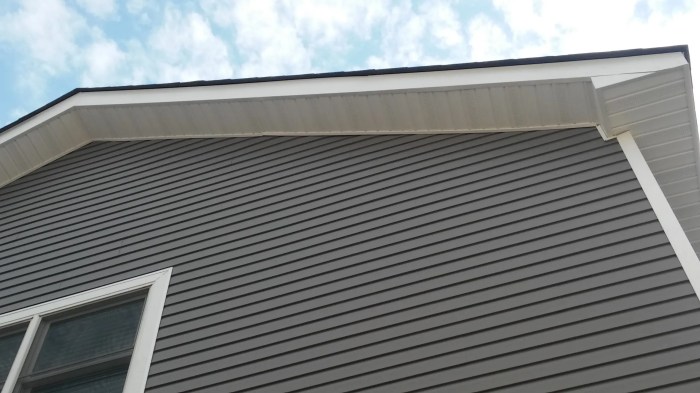
- Vinyl siding is a popular choice due to its affordability and low maintenance requirements.
- It is durable and resistant to rot, moisture, and insects, making it a long-lasting option.
- However, vinyl siding can be prone to cracking and fading over time, especially in extreme weather conditions.
Fiber Cement Siding
- Fiber cement siding is known for its durability and resistance to fire, rot, and insects.
- It can mimic the look of wood or stucco but requires less maintenance and is more affordable.
- While fiber cement siding is long-lasting, it can be heavy and challenging to install.
Wood Siding
- Wood siding offers a natural and timeless look, adding warmth and character to a home.
- It is biodegradable and renewable, making it an environmentally friendly option.
- However, wood siding requires regular maintenance, including painting or staining to prevent rot and decay.
Aluminum Siding
- Aluminum siding is lightweight, durable, and resistant to corrosion, making it a low-maintenance option.
- It can be easily recycled, reducing its environmental impact compared to other materials.
- On the downside, aluminum siding can dent easily and may not offer as much insulation as other materials.
Brick Siding
- Brick siding is known for its durability, longevity, and classic appearance.
- It offers excellent thermal mass, helping to regulate indoor temperatures and reduce energy costs.
- While brick siding is relatively low maintenance, it can be expensive to install compared to other materials.
Roofing Systems Around the World
When it comes to roofing systems, different regions around the world have unique preferences based on their climate and environmental conditions. Let's explore some popular roofing systems used globally and their benefits in terms of climate adaptability.
Asphalt Shingles
Asphalt shingles are widely used in North America due to their affordability and ease of installation. They are particularly beneficial in regions with cold winters and hot summers, as they provide good insulation and protection against extreme temperatures.
Clay Tiles
Clay tiles are commonly found in Mediterranean and tropical regions due to their ability to withstand high temperatures and heavy rainfall. They are durable and resistant to mold and mildew, making them ideal for humid climates.
Metal Roofing
Metal roofing is popular in areas prone to high winds and hurricanes, such as coastal regions. It is lightweight, durable, and offers excellent protection against severe weather conditions. Regular maintenance is required to prevent rust and corrosion.
Thatched Roofing
Thatched roofing is commonly used in tropical regions with abundant natural resources. It provides natural insulation and is eco-friendly, but it requires regular maintenance to prevent mold and pests infestation.
Innovative Technologies in Siding and Roofing
Innovative technologies are rapidly transforming the siding and roofing industry, leading to more efficient and sustainable solutions for buildings. These advancements are not only improving the energy efficiency of structures but also revolutionizing maintenance practices for siding and roofing systems.
Solar Roofing Integration
One of the emerging technologies in roofing is the integration of solar panels directly into roofing materials. This innovation allows buildings to generate clean energy while maintaining a sleek and modern aesthetic. Solar roofing systems are becoming increasingly popular as they help reduce energy costs and carbon footprint.
Smart Roofing Solutions
Smart technologies, such as sensors and IoT devices, are being incorporated into roofing systems to monitor and optimize energy usage. These solutions can detect issues like leaks or damage early on, preventing costly repairs and ensuring the longevity of the roof.
Smart roofing solutions are revolutionizing maintenance practices by providing real-time data and insights to building owners.
Green Siding Materials
In the siding industry, there is a growing focus on using eco-friendly and sustainable materials. Green siding materials, such as recycled plastic or reclaimed wood, offer durability and aesthetic appeal while reducing environmental impact. These innovative materials are not only energy-efficient but also contribute to a more sustainable construction industry.
Last Point
In conclusion, the world of global siding and roofing is a dynamic landscape filled with diverse materials, systems, and advancements. By understanding the intricacies of this industry, we can truly appreciate the craftsmanship and innovation that goes into every roof and wall around the world.
FAQ Guide
What is the importance of quality siding and roofing in construction?
Quality siding and roofing play a vital role in providing protection, insulation, and aesthetic appeal to buildings, ensuring durability and longevity.
What are some emerging technologies revolutionizing the siding and roofing industry?
Emerging technologies such as solar roof tiles, green roofs, and smart roofing systems are transforming the way we think about sustainable and efficient siding and roofing solutions.
How do global trends shape the siding and roofing industry?
Global trends influence the adoption of new materials, technologies, and design approaches in the siding and roofing sector, driving innovation and sustainability.