
Exploring the world of architecture and interior design, this comprehensive guide delves into the distinct roles and responsibilities of professionals in these fields. From designing structures to creating aesthetically pleasing spaces, architects and interior designers play crucial roles in shaping our environment.
Let's uncover the intricacies of their work and how they collaborate to bring visions to life.
Roles and Responsibilities
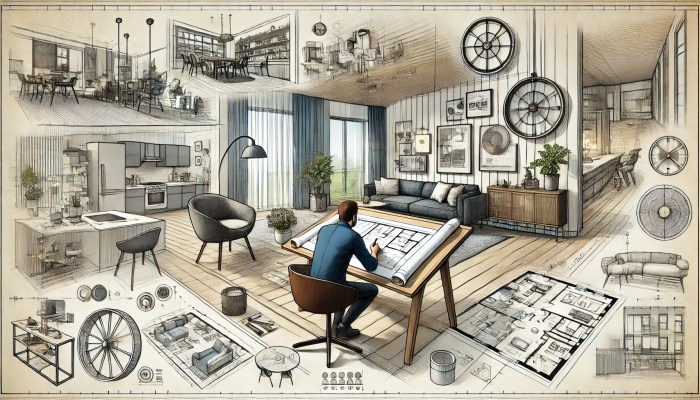
An architect plays a crucial role in a building project by designing and overseeing the construction of structures. They are responsible for creating the overall concept and layout of a building, ensuring that it is both functional and aesthetically pleasing.
Architects work closely with clients to understand their needs and preferences, as well as with engineers and contractors to ensure that the design is feasible and meets all building codes and regulations.Interior designers, on the other hand, focus on the interior spaces of a building, including the layout, furniture, color schemes, and decorative elements.
Their responsibilities during the design process include selecting materials, finishes, and furnishings that align with the overall design concept and the client's preferences. Interior designers also work closely with architects to ensure that the interior spaces complement the overall design of the building.
Comparison of Duties
- Architects focus on the overall design and structure of a building, while interior designers focus on the interior spaces.
- Architects work on the exterior envelope, structural system, and building systems, whereas interior designers focus on finishes, furniture, and decor.
- Architects are responsible for ensuring that the building meets all building codes and regulations, while interior designers focus on creating functional and aesthetically pleasing interior spaces.
- Architects often work on larger, more complex projects, while interior designers may work on residential, commercial, or hospitality projects of varying sizes.
- Both architects and interior designers collaborate closely with clients, contractors, and other professionals to bring the design vision to life.
Education and Training
To become an architect, individuals must complete a professional degree in architecture from a program accredited by the National Architectural Accrediting Board (NAAB). This typically involves a 5-year Bachelor of Architecture or a 2-year Master of Architecture program.
Architectural Education Requirements
- Completion of a professional degree in architecture from an NAAB-accredited program.
- Internship experience through the Architectural Experience Program (AXP).
- Passing the Architect Registration Examination (ARE) to become licensed.
Interior Designer Training
To pursue a career as an interior designer, individuals usually need a bachelor's degree in interior design or a related field. Some states may also require interior designers to pass the National Council for Interior Design Qualification (NCIDQ) exam for licensure.
Specific Certifications and Licenses
- Architects must obtain a license to practice, which involves completing the ARE and meeting other state-specific requirements.
- Interior designers can pursue certification through the NCIDQ exam to demonstrate their expertise and professionalism in the field.
Skills and Expertise
Architects and interior designers require a unique set of skills and expertise to excel in their respective fields, ensuring the successful completion of projects and the satisfaction of clients.
Key Skills for Architects:
- Strong technical skills in architectural design and drafting software
- Attention to detail and precision in measurements and calculations
- Effective communication and collaboration with clients, engineers, and construction teams
- Problem-solving abilities to address complex design challenges
- Knowledge of building codes, regulations, and sustainability practices
Expertise for Successful Interior Design Projects:
- Understanding of spatial planning and functionality to optimize interior layouts
- Proficiency in selecting color schemes, materials, and furnishings to enhance aesthetics
- Ability to create cohesive design concepts that align with client preferences
- Knowledge of lighting design and acoustics for creating ambiance and comfort
- Project management skills to oversee timelines, budgets, and installations
Role of Creativity in Architecture and Interior Design:
Creativity plays a crucial role in the work of both architects and interior designers, allowing them to think outside the box and bring innovative solutions to the table. In architecture, creativity helps in designing unique structures that are both functional and visually appealing.
For interior designers, creativity enables them to transform spaces into personalized environments that reflect the client's style and personality. Ultimately, creativity drives the artistic vision and originality in creating architectural and interior design masterpieces.
Collaboration and Communication
When it comes to bringing a project to life, architects and interior designers must work closely together to ensure a cohesive and functional design that meets the needs and desires of the client. This collaboration involves sharing ideas, feedback, and expertise to create a harmonious space that marries form and function seamlessly.
How Architects and Interior Designers Collaborate
Architects and interior designers collaborate by first establishing a clear understanding of the project requirements and objectives. Architects focus on the structural elements of the building, such as layout, materials, and overall aesthetics, while interior designers concentrate on the interior spaces, including furniture, finishes, and decor.
They work together to ensure that the exterior and interior design elements complement each other and create a cohesive look and feel.
- Architects provide the initial building plans and layouts based on the client's needs and building codes.
- Interior designers then take these plans and develop interior design concepts that align with the architectural vision.
- Regular meetings and communication channels are established to discuss progress, make necessary adjustments, and address any issues that may arise during the design process.
- Both professionals collaborate on selecting materials, finishes, and furnishings that enhance the overall design and functionality of the space.
Importance of Clear Communication
Clear communication between architects and interior designers is crucial to the success of a project. It ensures that both parties are on the same page regarding design goals, timelines, and budget constraints. Miscommunication can lead to costly mistakes, delays, and a final design that does not meet the client's expectations.
- Regular check-ins and project updates help keep everyone informed and aligned throughout the design process.
- Open and honest communication allows for feedback and adjustments to be made promptly, avoiding any misunderstandings or conflicts.
- Collaborative decision-making ensures that both architects and interior designers have a say in the final design, leading to a more cohesive and successful outcome.
Examples of Successful Collaboration
One exemplary project that showcases effective collaboration between architects and interior designers is the Sydney Opera House. Architect Jørn Utzon's iconic design was brought to life with the help of interior designer Marion Hall Best, who curated the interior spaces with a keen eye for detail and functionality.
The result is a harmonious blend of architectural excellence and interior design sophistication that has stood the test of time. Another notable example is the Barcelona Pavilion designed by architect Ludwig Mies van der Rohe in collaboration with interior designer Lilly Reich.
Their seamless integration of architectural elements and interior furnishings created a timeless masterpiece that continues to inspire architects and designers to this day.
Wrap-Up
In conclusion, architects and interior designers are vital players in the construction and design industries, each bringing their unique expertise to the table. By understanding their roles, responsibilities, skills, and collaboration methods, we gain a deeper appreciation for the art and science behind creating functional and beautiful spaces.
Answers to Common Questions
What are the main differences between an architect and an interior designer?
Architects focus on the overall structure and design of a building, while interior designers concentrate on creating functional and aesthetically pleasing interior spaces.
What certifications or licenses are required to become an architect or interior designer?
Architects typically need to be licensed to practice, while interior designers may need certifications depending on their location and specialization.
How do architects and interior designers collaborate on projects?
Architects and interior designers work together to ensure that the exterior and interior design elements of a building harmonize seamlessly. They collaborate on layouts, materials, and overall aesthetics.